Your air conditioner is running — but your home is still hot.
This is one of the most frustrating HVAC problems homeowners face, especially during a Long Island summer heat wave. The system appears to be working, but the temperature inside just will not drop to a comfortable level.
There are many reasons an AC stops cooling the house effectively, ranging from simple fixes you can handle yourself to serious mechanical failures that require professional repair. Here are the 10 most common causes — and what to do about each one.
1. Dirty Air Filter
A clogged air filter is the single most common cause of reduced AC performance. When the filter is blocked with dust and debris, airflow through the system drops dramatically. Less airflow means less cooling — even if the compressor and refrigerant are working perfectly.
Fix: Check your filter and replace it if it is visibly dirty. Use a MERV 8–11 filter for the best balance of filtration and airflow. Replace 1-inch filters monthly during heavy use.
2. Dirty Condenser Coils
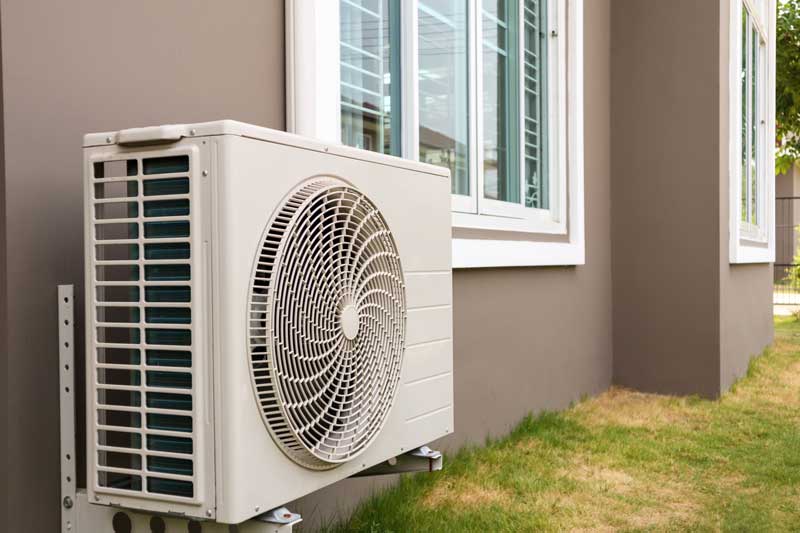
The outdoor condenser unit releases heat collected from inside your home. When the condenser coils are coated with dirt, grass clippings, and debris, heat transfer is blocked and the system cannot cool effectively.
Fix: Keep at least two feet of clearance around the outdoor unit and remove visible debris. Professional coil cleaning is recommended annually for maximum efficiency.
3. Low Refrigerant
Refrigerant is the substance that absorbs heat from your home's air. If the system has a refrigerant leak, cooling capacity drops significantly. Signs of low refrigerant include warm air from vents, ice forming on the refrigerant lines, and a hissing or bubbling sound near the outdoor unit.
Fix: Refrigerant issues require a licensed HVAC technician. The leak must be located and repaired before refrigerant is recharged — simply adding refrigerant without fixing the leak is a temporary measure at best.
4. Frozen Evaporator Coil
The evaporator coil inside your air handler can freeze when airflow is restricted (usually by a dirty filter) or when refrigerant levels are low. A frozen coil cannot absorb heat, so the system blows warm or room-temperature air even while running.
Fix: Turn the system off and let it thaw for several hours with the fan running on the fan-only setting. Replace the air filter. If the coil freezes again after thawing, call for professional service — the underlying cause needs to be addressed.
5. Thermostat Problems
An incorrectly set or malfunctioning thermostat can cause the AC to run without reaching the desired temperature. Common issues include the thermostat being set to fan-only mode, dead batteries, or a thermostat located in a spot that reads artificially high temperatures (near a sunny window or heat-generating appliance).
Fix: Confirm the thermostat is set to COOL and the fan is set to AUTO. Replace batteries. If the thermostat is in a poor location, consider relocating it or upgrading to a smart thermostat.
6. Undersized AC System
An air conditioner that is too small for the space it is cooling will run continuously without ever reaching the set temperature. This is especially noticeable during extreme heat when the system is working at its limits.
Fix: If your system has always struggled to cool the home on hot days, it may be undersized. A Manual J load calculation by a licensed HVAC contractor will determine the correct system size for your home.
7. Leaky or Poorly Insulated Ductwork
If your home has forced-air ductwork, leaks in the ducts can allow cooled air to escape into unconditioned spaces like attics and crawl spaces before it reaches the living areas. Studies suggest that typical duct systems lose 20–30% of conditioned air through leaks.
Fix: Have a technician inspect and seal your ductwork. Proper duct sealing can significantly improve cooling performance and reduce energy bills.
8. Compressor Problems
The compressor is the core of your AC system — it pressurizes the refrigerant and drives the entire cooling cycle. A failing or failed compressor results in little or no cooling even when the system appears to be running.
Fix: Compressor issues require professional diagnosis and repair. Depending on the age of the system and the cost of compressor replacement, it may be more economical to replace the entire system.
9. Blocked or Closed Vents
Furniture, rugs, curtains, or closed dampers blocking supply and return vents can significantly reduce airflow and cooling performance in specific rooms or throughout the home.
Fix: Walk through the home and confirm all supply and return vents are open and unobstructed. Do not close vents in unused rooms — this increases system pressure and can cause other problems.
10. The System Is Simply Too Old
Air conditioners lose efficiency as they age. A system that is 15 years or older may no longer be capable of cooling the home effectively, especially during extreme heat. Older systems also use outdated refrigerants that are no longer manufactured.
Fix: If your system is aging and struggling to keep up, a replacement with a modern high-efficiency unit will provide better cooling, lower energy bills, and improved reliability. Read our guide: Repair or Replace Your HVAC System?
Quick Diagnostic Checklist
Before calling for service, run through these quick checks:
- Is the air filter clean?
- Is the thermostat set to COOL with the fan on AUTO?
- Is the outdoor unit running? (You should hear the compressor and fan)
- Is the outdoor unit clear of debris?
- Are all vents open and unobstructed?
- Is there ice visible on the refrigerant lines or indoor unit?
- Has the circuit breaker tripped?
If you have checked all of the above and the system is still not cooling, it is time to call a licensed HVAC technician.
When to Call for AC Repair
Call A1 Heating & Air Conditioning at 631-331-2102 if:
- The system is running but not cooling after basic troubleshooting
- You see ice on the refrigerant lines or indoor unit
- You hear unusual noises from the indoor or outdoor unit
- The outdoor unit is not running at all
- Energy bills have increased significantly without a change in usage
- The system is short-cycling (turning on and off frequently)
Frequently Asked Questions
Why is my AC running but not lowering the temperature?
The most common causes are a dirty air filter, dirty condenser coils, low refrigerant, or a frozen evaporator coil. Start with the filter and work through the checklist above.
How long should it take for AC to cool a house?
A properly sized and functioning AC system should lower the indoor temperature by approximately 1–2 degrees per hour under normal conditions. On extremely hot days, it may struggle to maintain the set temperature if outdoor temperatures are very high.
Can I add refrigerant myself?
No. Refrigerant handling requires EPA certification. Only licensed HVAC technicians can legally purchase and handle refrigerants. Attempting to add refrigerant yourself is illegal and potentially dangerous.
Why does my AC cool some rooms but not others?
Uneven cooling is usually caused by duct leaks, blocked vents, poor insulation, or an undersized system. A ductless mini-split can be an effective solution for rooms that consistently fail to cool properly.
How much does AC repair cost on Long Island?
Repair costs vary widely depending on the problem. Minor repairs like capacitor replacement are typically inexpensive, while compressor replacement can be significant. A technician will diagnose the issue and provide pricing before any work begins. If your system is aging, read our guide on HVAC replacement costs on Long Island.


