Your HVAC system works hard every season on Long Island — from humid summers to cold winters.
Routine seasonal maintenance is the single most effective way to prevent unexpected breakdowns, lower energy bills, and extend the life of your heating and cooling equipment. Yet many homeowners only think about their HVAC system when something goes wrong.
This complete seasonal HVAC maintenance checklist gives Long Island homeowners a clear, actionable plan for every time of year — so your system is always ready before the season demands it most.
Why Seasonal HVAC Maintenance Matters
Skipping routine maintenance leads to:
- Higher energy bills from reduced system efficiency
- Unexpected breakdowns during peak heating or cooling season
- Shortened equipment lifespan
- Voided manufacturer warranties
- Poor indoor air quality
A consistent maintenance schedule keeps small issues from becoming expensive repairs and ensures your home stays comfortable no matter what the weather brings.
Spring HVAC Maintenance Checklist (March – May)
Spring is the ideal time to prepare your air conditioning system before Long Island's hot, humid summer arrives. Catching problems now means you won't be scrambling for emergency AC repair in July.
Air Conditioning Tasks
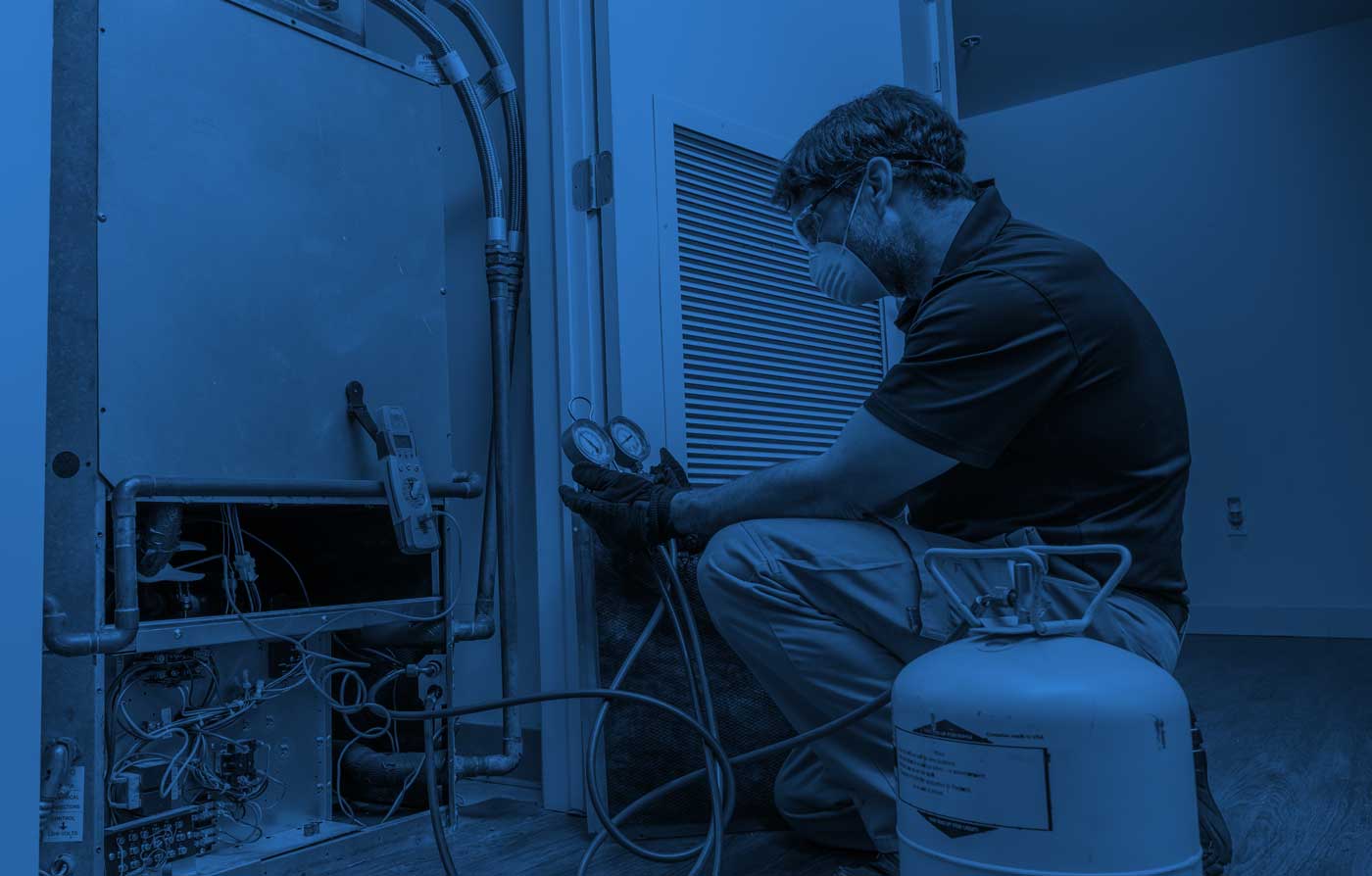
- Schedule a professional AC tune-up — Have a licensed technician inspect refrigerant levels, clean coils, check electrical connections, and test system performance
- Clean or replace the air filter — A dirty filter restricts airflow and reduces efficiency; replace 1-inch filters monthly, thicker media filters every 3–6 months
- Clear debris from the outdoor condenser unit — Remove leaves, grass clippings, and dirt that accumulated over winter; keep at least two feet of clearance around the unit
- Clean the condenser coils — Dirty coils reduce heat transfer and force the system to work harder; professional cleaning is recommended
- Test the thermostat — Switch to cooling mode and verify the system responds correctly; consider upgrading to a programmable or smart thermostat
- Check and clean condensate drain lines — Clogged drain lines can cause water damage and system shutdowns
- Inspect refrigerant lines — Look for signs of damage or wear on the insulation around refrigerant lines running into the home
- Test all vents and registers — Ensure airflow is consistent throughout the home; open any closed vents that may have been shut during winter
General Home Tasks
- Check window and door seals for air leaks that make your AC work harder
- Clean ceiling fan blades and reverse direction (counterclockwise for summer)
- Inspect ductwork for visible damage, disconnections, or excessive dust buildup
Summer HVAC Maintenance Checklist (June – August)
During peak cooling season, your air conditioner runs longer and harder than at any other time of year. These mid-season tasks help maintain performance when you need it most.
Monthly Tasks
- Check and replace air filters — During heavy use, 1-inch filters may need monthly replacement
- Monitor energy bills — A sudden increase in cooling costs often signals a developing efficiency problem
- Keep the outdoor unit clear — Mow grass away from the condenser and remove any new debris accumulation
- Check condensate drain pan — Inspect for standing water, which indicates a clogged drain line
As Needed
- Listen for unusual noises — grinding, banging, or squealing sounds warrant a service call
- Watch for warm air from vents, weak airflow, or rooms that won't cool — these are signs of developing problems
- Check that the outdoor unit is level; settling soil can cause the unit to tilt over time
Energy-Saving Tips for Summer
- Set the thermostat to 78°F when home and higher when away
- Use ceiling fans to supplement cooling and raise the thermostat a few degrees
- Close blinds and curtains on south- and west-facing windows during peak afternoon heat
- Avoid running heat-generating appliances (ovens, dryers) during the hottest part of the day
Fall HVAC Maintenance Checklist (September – November)
Fall is the most important season for heating system maintenance. Scheduling a furnace or boiler tune-up before the first cold snap ensures your system is ready when temperatures drop.
Heating System Tasks
- Schedule a professional heating tune-up — Have a technician inspect the heat exchanger, burners, ignition system, flue, and safety controls
- Replace the air filter — Install a fresh filter before heating season begins
- Test the heating system — Turn on the heat before you actually need it to confirm everything works correctly
- Inspect the flue and venting — Check for blockages, corrosion, or damage that could allow carbon monoxide to enter the home
- Test carbon monoxide and smoke detectors — Replace batteries and test all detectors before heating season
- Bleed radiators (for hot water/steam systems) — Release trapped air from radiators to restore even heat distribution
- Check boiler pressure and water levels — Ensure the system is properly pressurized for the heating season
- Inspect the thermostat — Switch to heating mode and verify the system responds; program heating schedules for fall and winter
Air Conditioning Shutdown Tasks
- Cover the top of the outdoor condenser unit (not the sides) to protect from falling debris — do not fully enclose it, as moisture can accumulate
- Shut off the outdoor disconnect switch to prevent the AC from running on unexpectedly warm fall days
- Inspect window AC units and store them for the season if applicable
General Home Tasks
- Seal gaps around doors, windows, and utility penetrations to reduce heating load
- Reverse ceiling fans to clockwise rotation to push warm air down from the ceiling
- Check attic and basement insulation; proper insulation reduces heating costs significantly
Winter HVAC Maintenance Checklist (December – February)
During Long Island winters, your heating system runs continuously. These tasks help maintain performance and prevent mid-winter emergencies.
Monthly Tasks
- Check and replace air filters — Dirty filters during heavy heating use reduce efficiency and can cause overheating
- Monitor energy bills — Unexpected increases may indicate a developing heating problem
- Keep vents and registers clear — Ensure furniture, rugs, and curtains are not blocking airflow
- Check thermostat batteries — Replace if the display dims or the system becomes unresponsive
Cold Weather Precautions
- Keep the thermostat set to at least 55°F even when away to prevent frozen pipes
- Know the location of your emergency shutoff switch and main gas valve
- Keep the area around your furnace or boiler clear of stored items
- Check that exhaust vents are not blocked by snow or ice accumulation
- Schedule emergency service promptly if the system stops working — do not wait
Year-Round HVAC Maintenance Tasks
Some maintenance tasks should be performed regardless of the season:
- Change air filters regularly — Every 1–3 months depending on filter type and household conditions
- Keep the area around equipment clear — Maintain at least 2 feet of clearance around the outdoor unit and indoor air handler
- Listen for unusual sounds — Any new noise from your HVAC system warrants attention
- Watch for warning signs — Uneven temperatures, weak airflow, short cycling, or rising energy bills all indicate a problem
- Schedule professional maintenance twice per year — Spring for cooling, fall for heating
When to Call a Professional
While homeowners can handle basic tasks like filter changes and keeping the outdoor unit clear, many maintenance tasks require a licensed HVAC technician. Call a professional when:
- The system is not heating or cooling effectively
- You notice unusual sounds, smells, or visible damage
- Energy bills increase without a change in usage
- The system short-cycles (turns on and off frequently)
- You smell gas near the furnace or boiler
- Carbon monoxide detectors alarm
- It has been more than a year since the last professional service
The Value of an HVAC Maintenance Plan
Many Long Island homeowners find that enrolling in an annual HVAC maintenance plan simplifies seasonal upkeep. A maintenance plan typically includes:
- Two professional tune-ups per year (spring and fall)
- Priority scheduling for service calls
- Discounts on repairs and parts
- Peace of mind that your system has been professionally inspected
A1 Heating & Air Conditioning offers membership plans designed to keep Long Island homeowners covered year-round. Learn more on our membership page.
Frequently Asked Questions
How often should HVAC systems be serviced?
Most HVAC systems should be professionally serviced twice per year — once in spring before cooling season and once in fall before heating season. Air filters should be checked monthly and replaced every 1–3 months.
Can I do HVAC maintenance myself?
Homeowners can handle basic tasks like filter changes, keeping the outdoor unit clear, and testing the thermostat. However, tasks involving refrigerant, electrical components, gas lines, or heat exchangers require a licensed HVAC technician.
What happens if I skip seasonal maintenance?
Skipping maintenance increases the risk of unexpected breakdowns, reduces system efficiency, raises energy bills, and can shorten the lifespan of your equipment. Many manufacturer warranties also require documented annual maintenance.
When is the best time to schedule HVAC maintenance on Long Island?
Schedule AC maintenance in March or April before summer heat arrives, and heating maintenance in September or October before the first cold snap. Booking early avoids the rush and ensures availability.
Does seasonal maintenance really lower energy bills?
Yes. A well-maintained HVAC system operates more efficiently, consuming less energy to heat and cool your home. Professional tune-ups clean components, check refrigerant levels, and optimize system settings — all of which contribute to lower operating costs.


